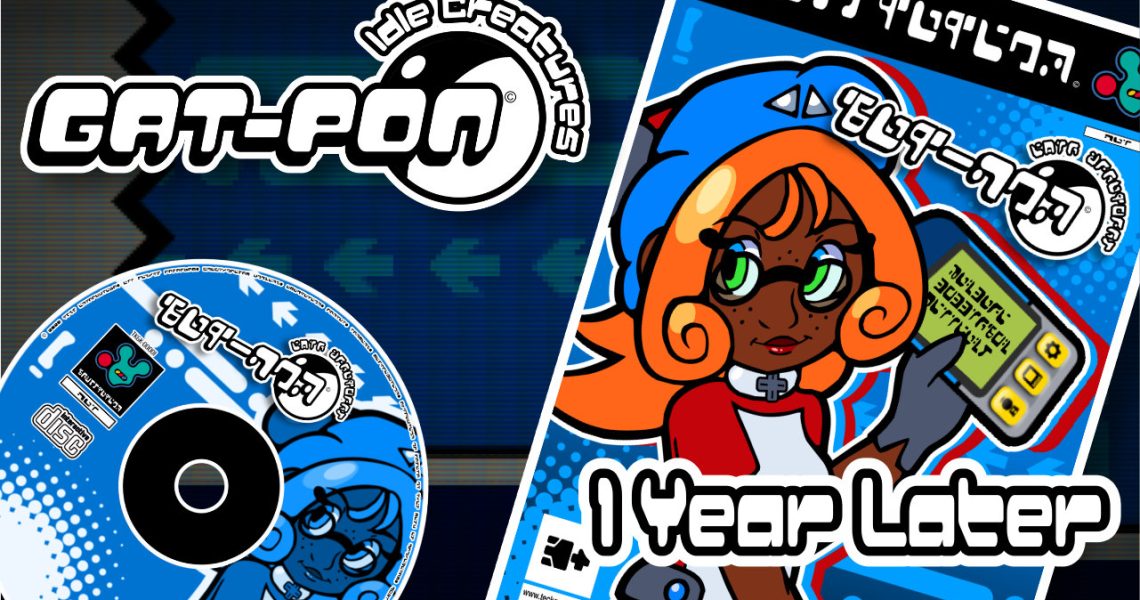
Gat-Pon’s 1st Anniversary: The Good and Bad of Indie Game Development
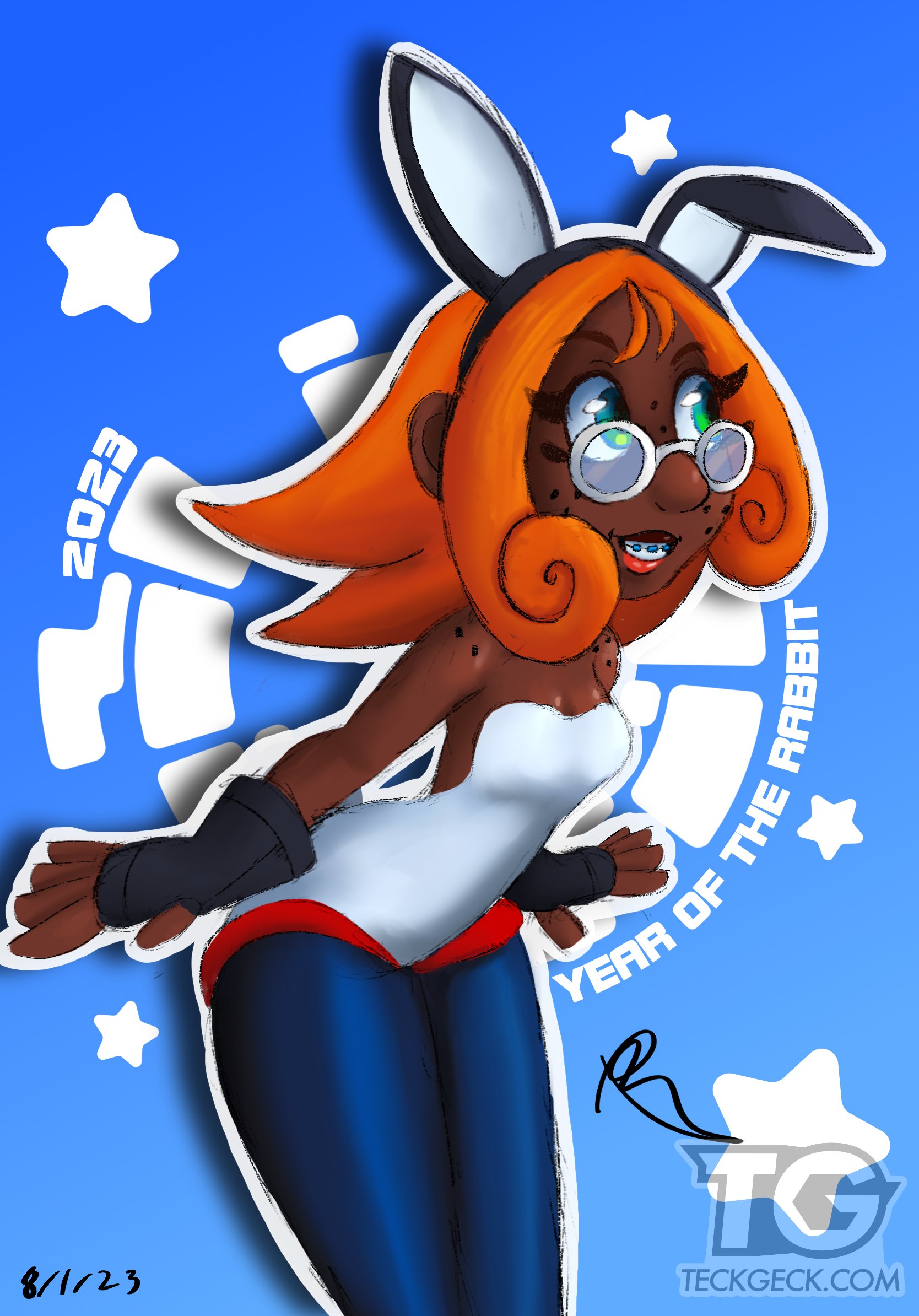
20th June 2026Salutations! So, Gat-Pon just turned one. I recently finished a new drawing of Zambari to mark the occasion, and sitting down to do that made me want to actually write about how this whole thing went — the good parts, the bad parts, and the parts that surprised me.
Gat-Pon started as a Portfolio Piece
This game was a complete accident. At the time I started it, I was making custom Twitch overlays and emotes on Etsy, and a lot of that work had game menu energy to it. Around the same time, I built my first website, and I realised I genuinely loved making buttons, building layouts, and figuring out how a page directs you from one place to another. I wanted to know if I actually liked UI/UX or if I was just enjoying the novelty, so I decided to learn a game engine — not to make a game, just to build something interactive. The result was a Ratchet & Clank fan UI/UX project inside Godot.
Then I thought to myself: “Idle games and clickers are basically just UI/UX: The game”
So I thought – why don’t I just make one myself?
The Original Concept Was Very Different
The initial idea was a creature collector where instead of creatures, you were collecting Y2K items: CDs, cassette tapes, flip phones, and old video game cartridges. I wanted to model them in 3D so you could rotate them around on screen. It was a genuinely cool concept, and honestly? It’s still on my mind — especially now that GDevelop actually has 3D support, which it didn’t when I started development. But at the time, I had to scale it back.
What I landed on instead was Tamagotchis and that classic LCD screen aesthetic, and that became the actual foundation of Gat-Pon.
From there, scope creep did what scope creep does. I told myself I’d make 30 creatures. Designed five, was completely burnt out. Brought it down to ten, felt too small, added five more, and shipped 15. There’s a whole vault of unused designs that never made it in — each one carries references to things I love — and I’d genuinely consider adding them if people want to see the GatDex grow. Maybe that will be a potential 2.0 patch? I also had an ascension mechanic planned as a 1.0 patch feature that got cut just to get the game out the door. That one’s still on the list as well.
Zambari, and Why She Looks Like a Lost Ape Escape OC
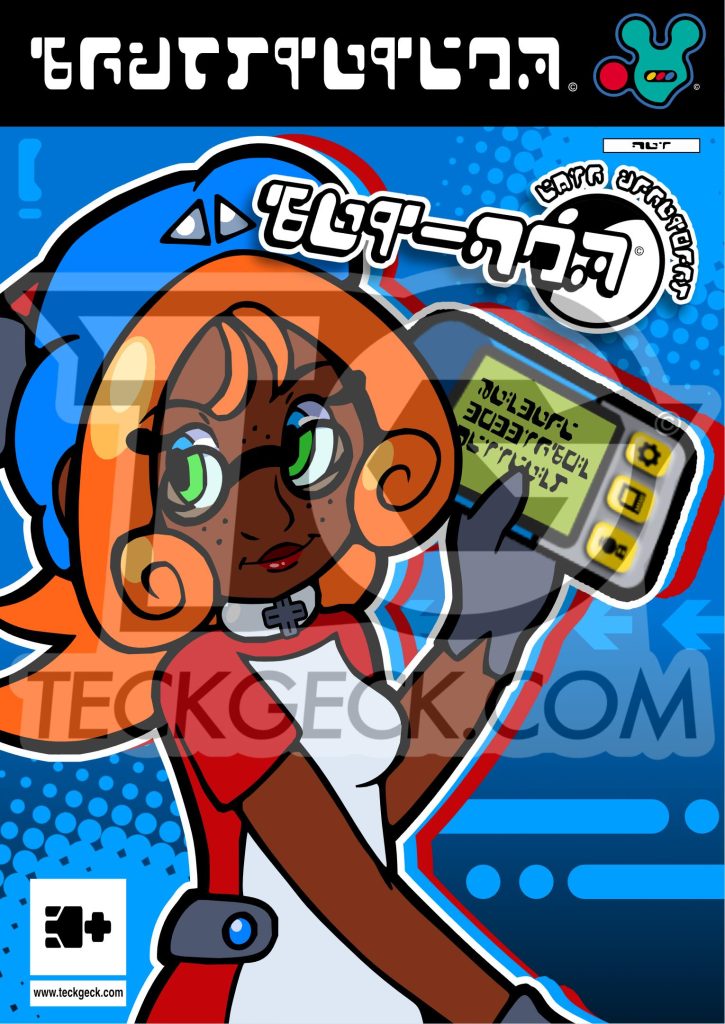
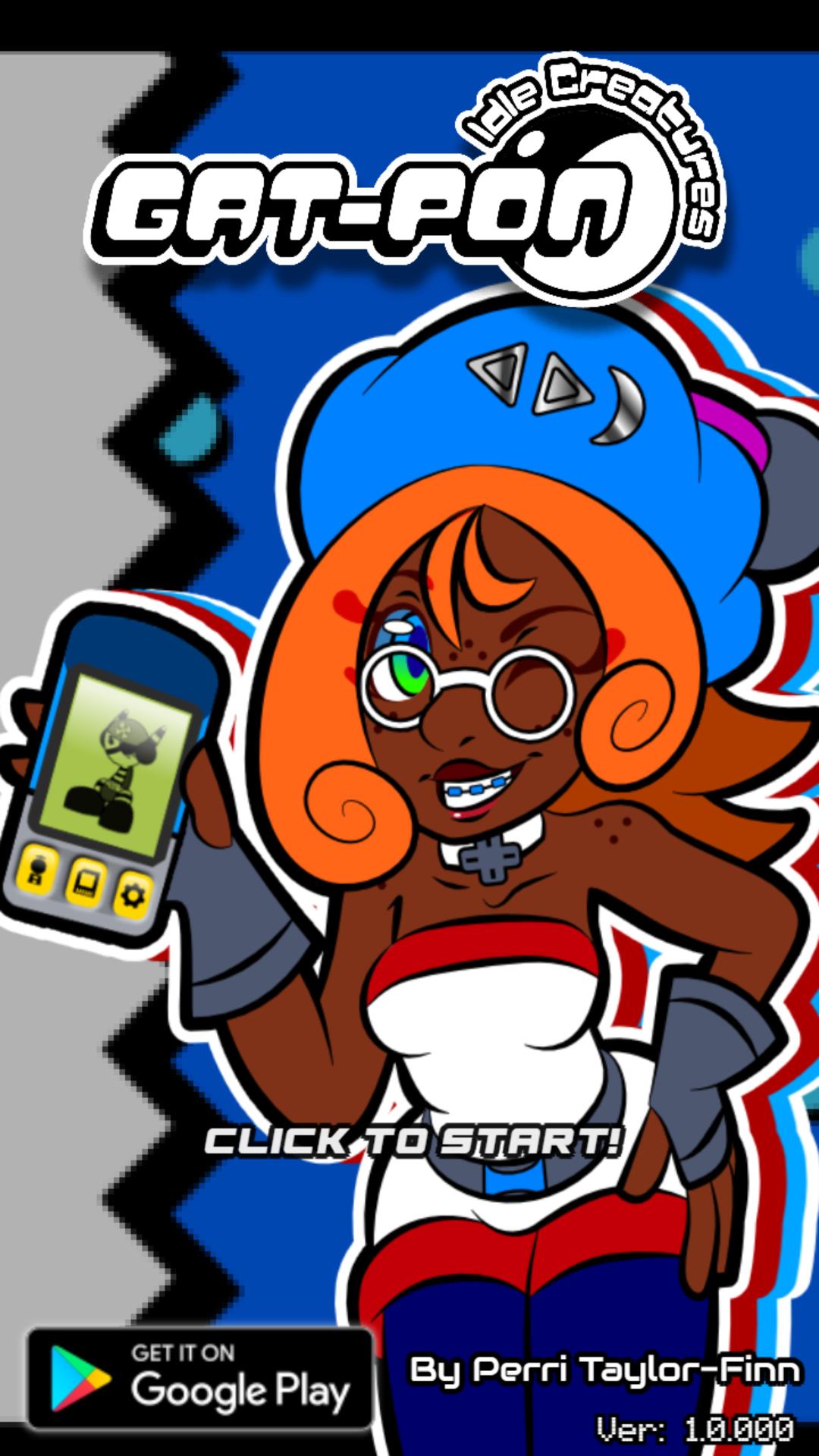
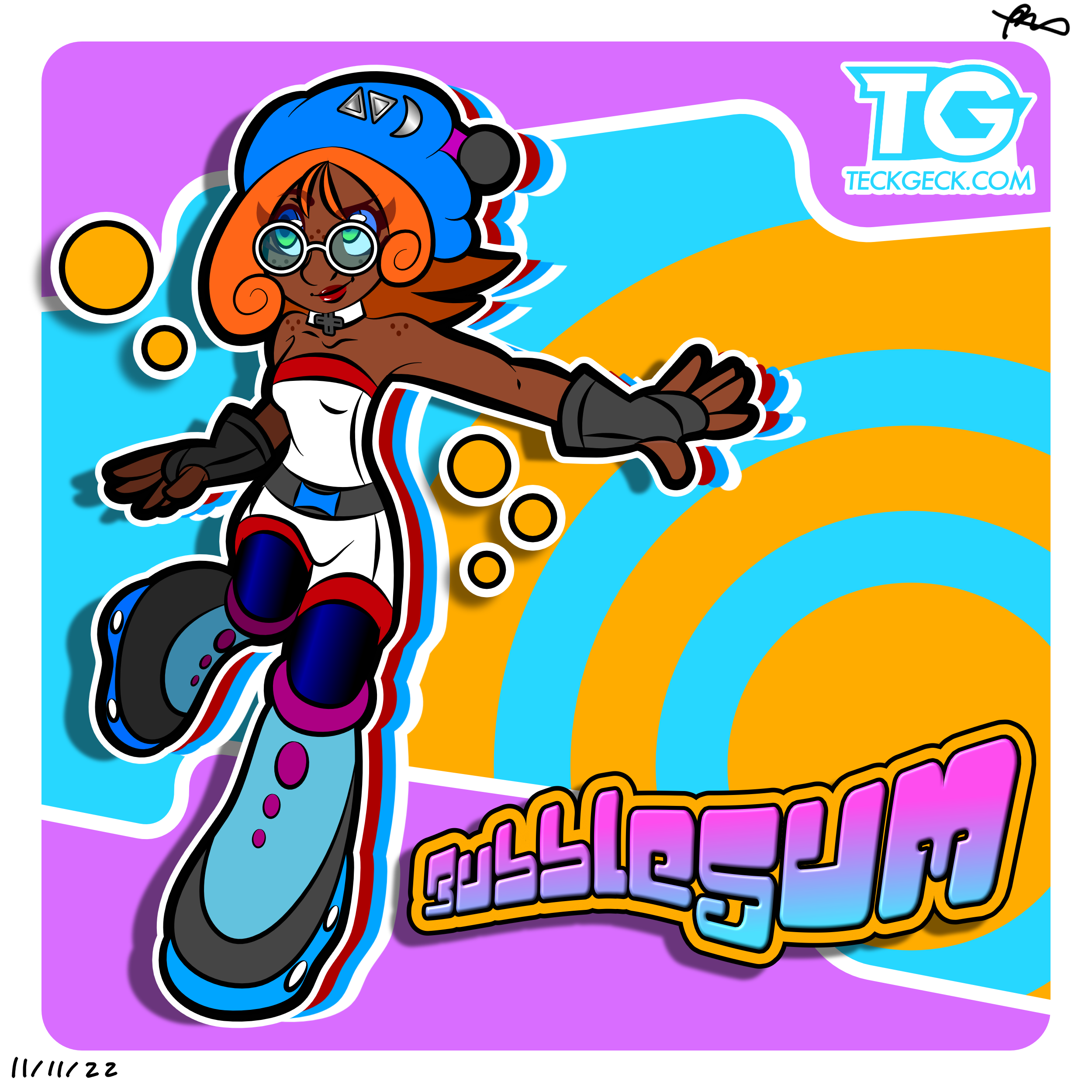
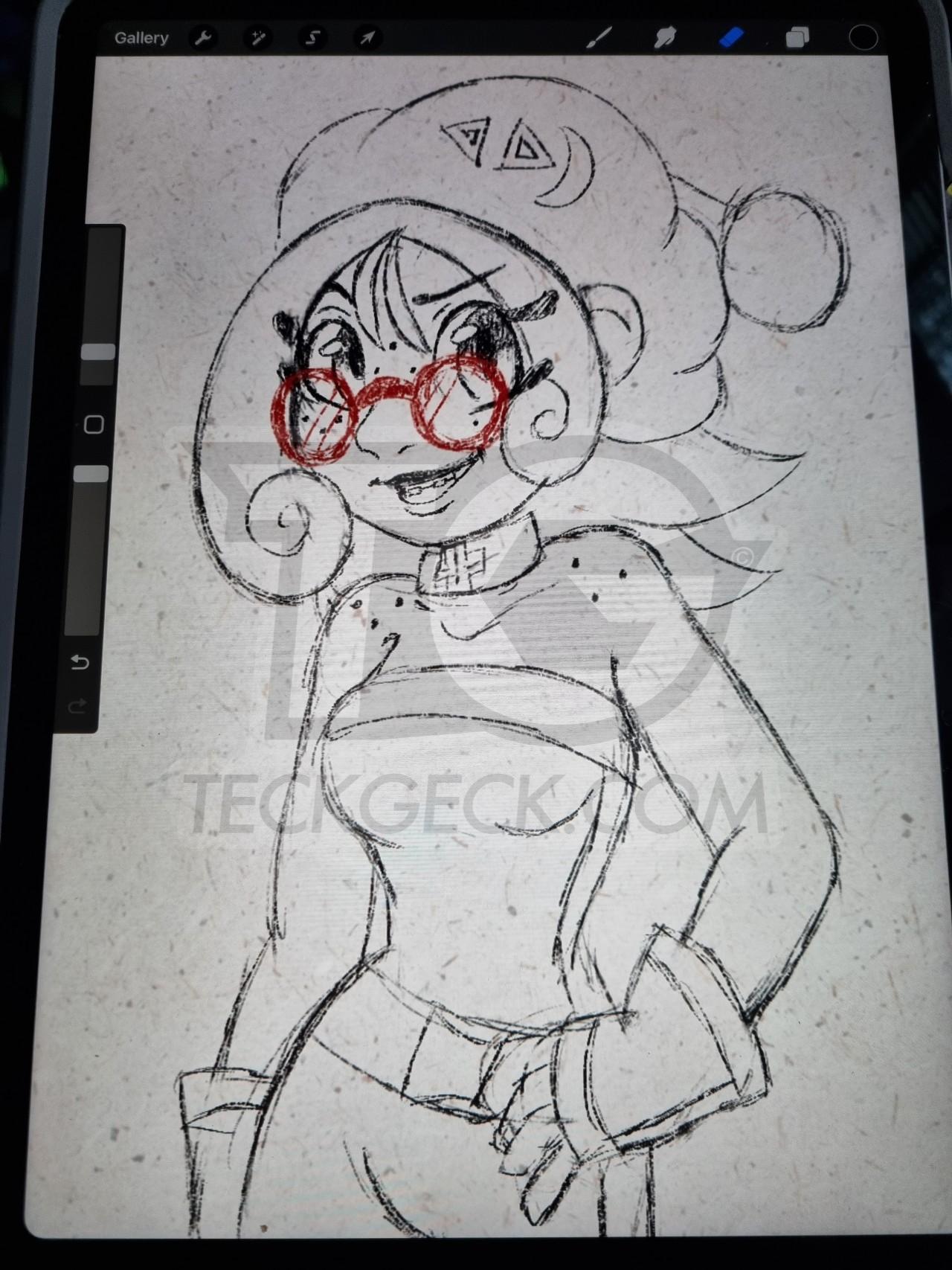
Bubblegum is the main protagonist of Gat-Pon — real name Zambari. Her design came from noticing that Pokémon’s female protagonists almost always wear some kind of distinctive headwear, and I wanted that energy, so I gave her a beret. (The fact that she is French is a coincidence, I swear!) The red and white colour palette was almost entirely subconscious, as it draws similarities to Spike from Ape Escape, basically. I didn’t clock it until people started commenting on the music I shared for the game, asking if this was the lost Ape Escape 4 that never got made.
That’s not even as coincidental as it sounds. Most of the composers I worked with on this game, I met through a shared love of Ape Escape. It was genuinely what connected us, which probably explains why the DNA ended up in there.
The nickname came from a friend I explained the concept to. She said it sounded like a bubblegum machine. I originally wanted to call the character Gum, but Jet Set Radio already owns that name in the Y2K space, so Bubblegum it was.
For a future project, I do have a secondary character in my head — Zambari’s cousin, who’d take the lead in any spiritual successor. I’ll keep the details vague because things can change, but their dynamic is very much Squid Sisters: everyone assumes they’re siblings. That’s about as much as I want to commit to right now.
The Money Stuff
At the time of writing, Gat-Pon has been on the Google Play store for over a year and has earned just under £10 in ad revenue. Technically, I lost money on this project.
What’s funny is that the OST and Ko-fi donations earned me more than the actual game itself! I don’t feel bad about it, and here’s why: a lot of that money went directly to the people who worked on it with me. I hired artists to help design the creatures and composers to help build the soundtrack, and what came out of that is something I’m genuinely proud of. I managed my first collaborative music album because of this game. I would never have predicted that a mobile idle clicker was going to make me an album producer, but it did, and I’m proud of that.
More than anything else, I finished it. I procrastinated badly enough during development that I made another game in the middle of it — but eventually I saw it through, published something on Google Play, and came out the other side with real experience. The actual focused development time was around a year and a half. Failing quickly is how you learn quickly, and I learned a lot.
Why Solo Indie Game Development Should Start Small
There’s a debate in the indie space that keeps coming up — whether new developers should focus on minimum viable products to ship and learn faster, versus just building whatever game they actually want to make, regardless of scope. I’ve been on both sides of this argument in my own head, but having lived it, I lean heavily toward starting small.
The research backs this up too: most solo indie success stories come from 2D games. Not because 3D open world games can’t be made by one person — they can, they exist — but they’re genuinely rare, and for a reason. Scope creep is real, burnout is real, and getting one small thing finished does more for your confidence and your skills than years of working on something that never ships.
I honestly didn’t think this game was going to hit 100 downloads. The fact that nearly 500 people have played it still kind of floors me. Thank you, genuinely!
What’s Next
Right now I’m learning GameMaker. My bucket list goal is a Steam release, and I want to build the correct architecture from the start so that if the opportunity comes up, I’m not rebuilding the whole thing to port it — the Switch is the dream scenario. I’ve got a few things in development I’m deliberately keeping quiet about while I get settled in the engine.
Grab Everything
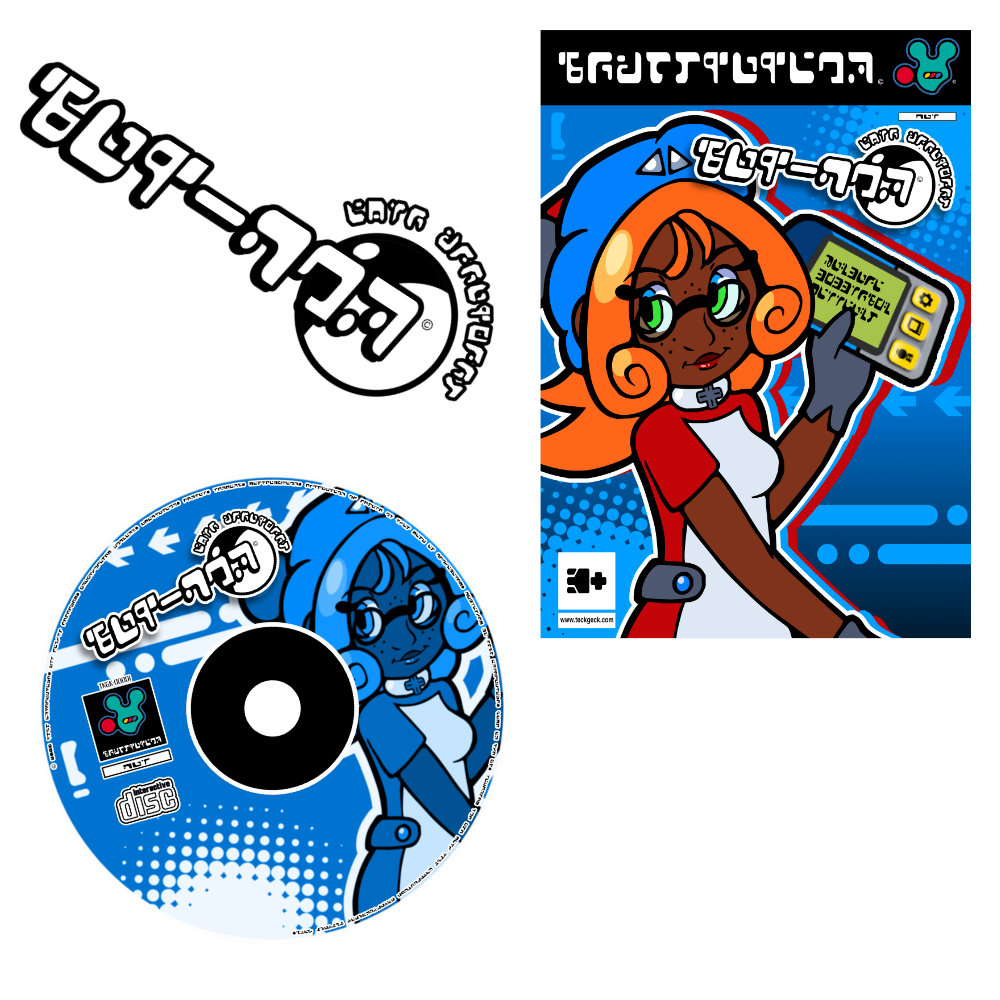
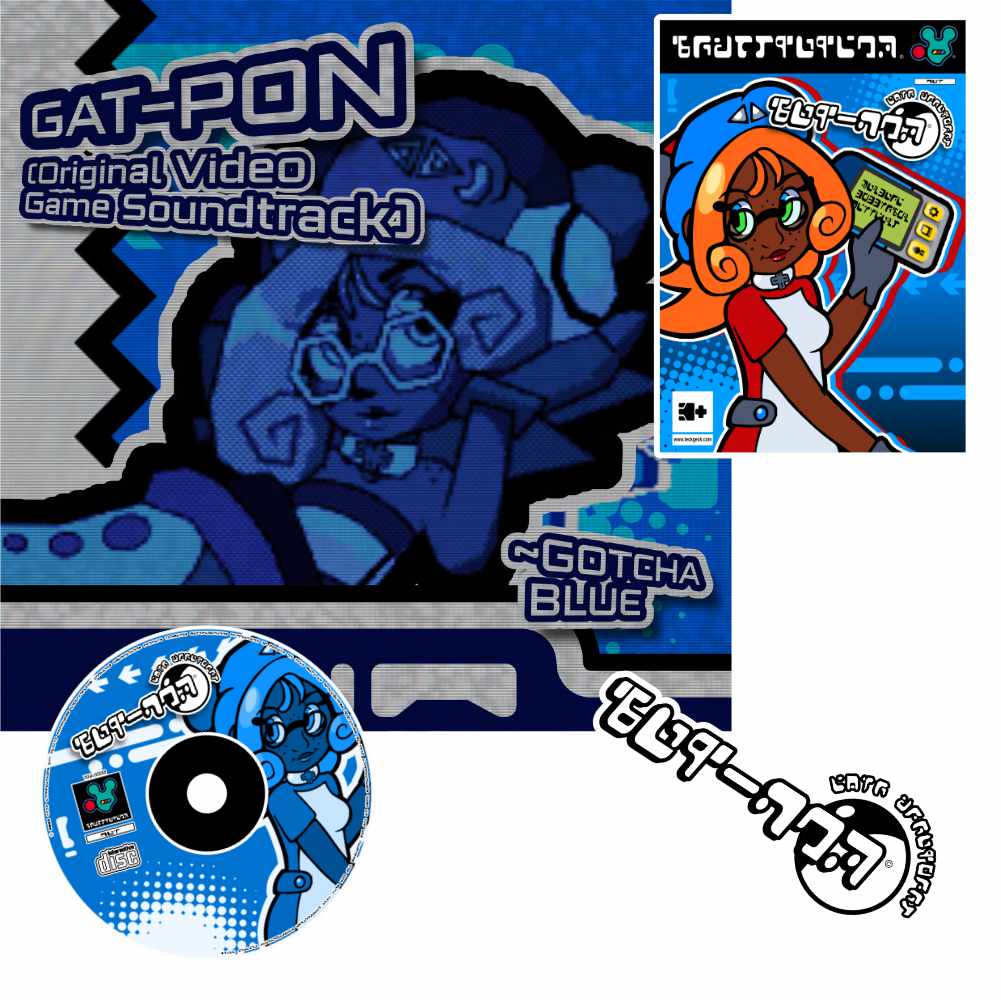
Exclusive anniversary stickers and the OST are available today!
-
Gat-Pon ~ Anniversary Sticker Bundle (All 3 Stickers)
Original price was: $14.50.$10.00Current price is: $10.00. -
Gat-Pon ~ Gotcha Blue (OST) + Sticker Bundle
Original price was: $20.49.$15.00Current price is: $15.00. -
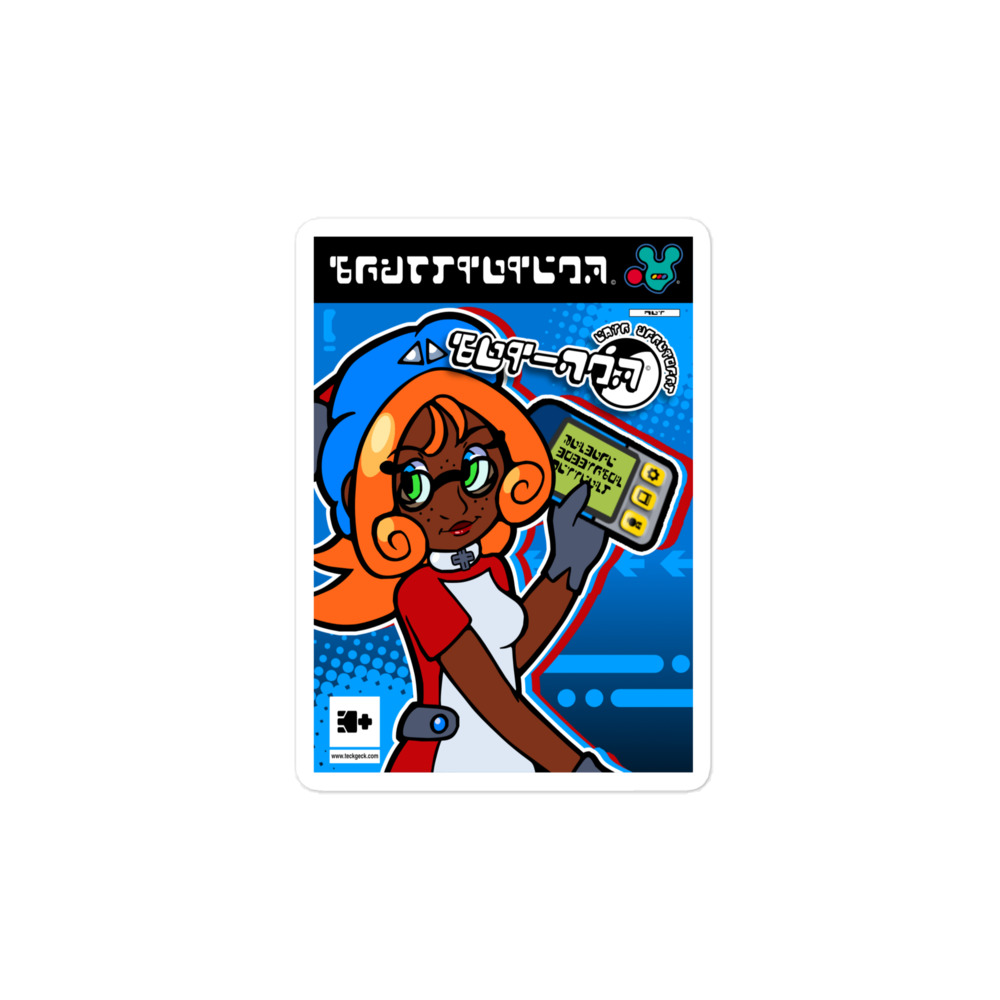
Gat-Pon ~ BubbleGum Collectable Card Sticker
$5.50 -

Gat-Pon – Y2K Stylised Logo Sticker
$4.50 -
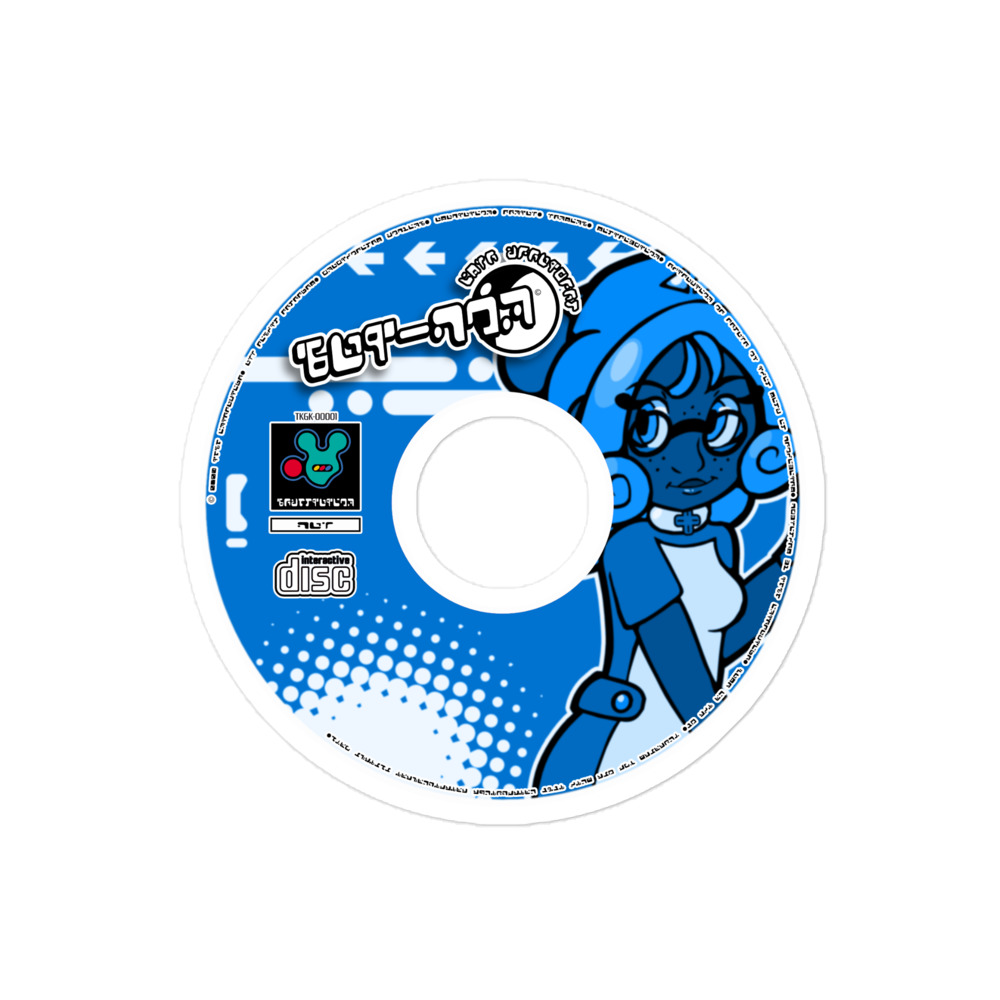
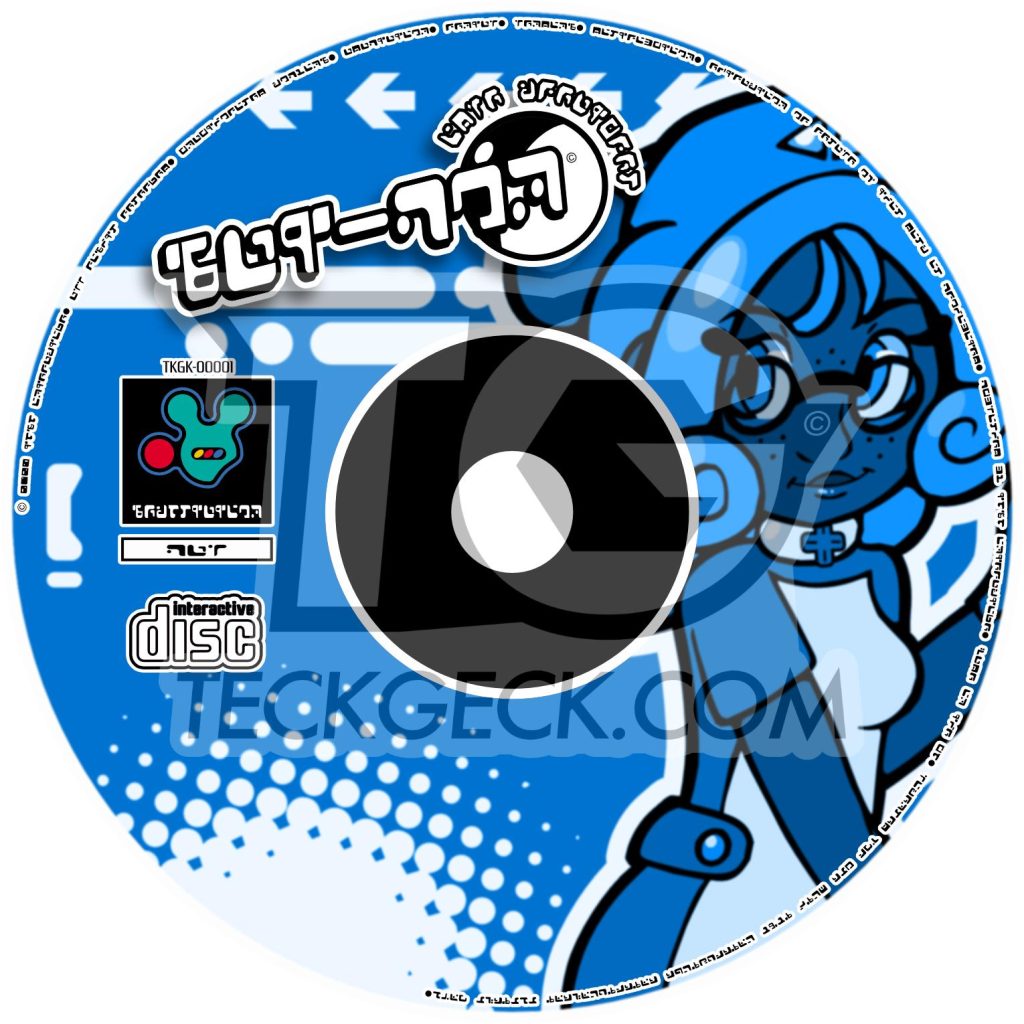
Gat-Pon ~ BubbleGum Retro Disk Sticker
$4.50 -

Gat-Pon ~ Gotcha Blue (Original Video Game Soundtrack)
$5.99
Play Gat-Pon for free:
Own the Soundtrack:
Stream the Soundtrack:
Support me directly:
Website Navigation:




Discover more from TECKGECK.COM
Subscribe to get the latest posts sent to your email.